
SEO has changed; it’s time for multi-search SEO. Its impact on improving Google SEO ranking and search engine visibility has been significant over time. Businesses concentrated everything in this one search engine. The search behavior has changed. Nowadays, individuals seek on numerous platforms. Because of this, SEO beyond Google is no longer Google. It has to do with being present wherever your target audience may be.
Digitix Marketing helps companies adjust to this change. They help brands get noticed on searches, social media, marketplaces, and artificial intelligence. Companies that depend on Google stand the possibility of losing focus, traffic, and customer base.
What Multi-Search SEO Means Today
Multi-search SEO is about appearing wherever people search. This includes:
- Search engines like Google
- Video platforms such as YouTube
- Social media like Instagram, TikTok, and LinkedIn
- Marketplaces such as Amazon and Etsy
- AI-powered tools
People do not use a single path to get answers. Rather, they will move between platforms based on their requirements. Digitix Marketing will ensure that your brand appears consistently across all of them. This develops credibility, participation, and presence.
How Search Behavior Has Changed
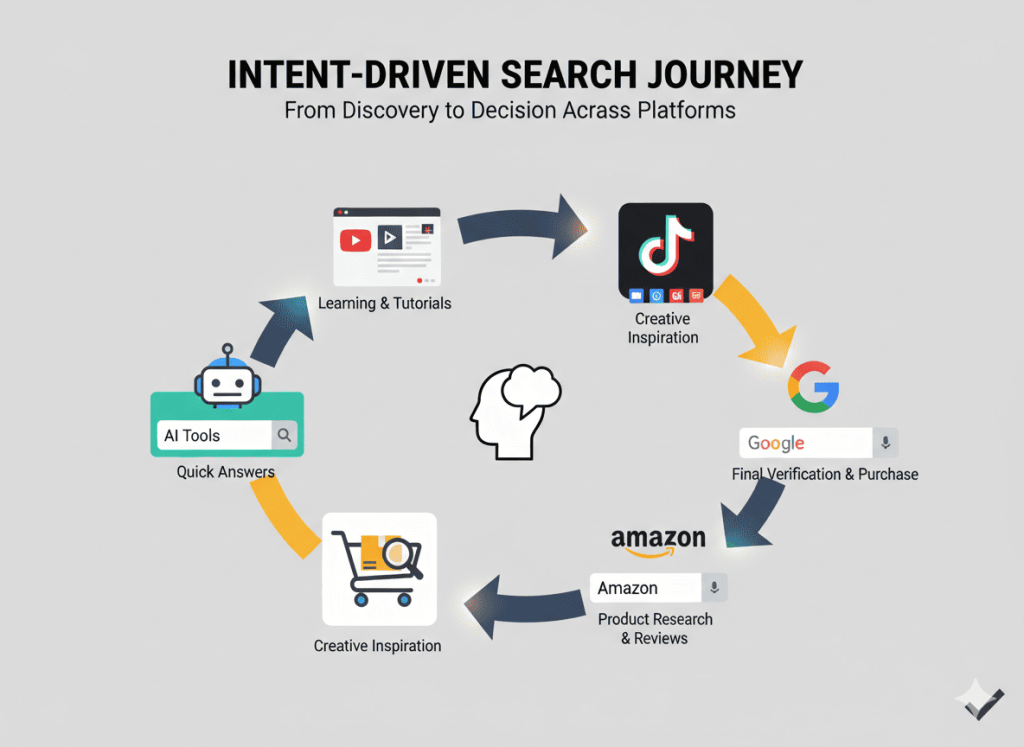
Search is now intent-driven. Users pick platforms based on their goal:
- Quick answers: AI tools
- Product research: Amazon
- Inspiration: Instagram or TikTok
- Learning: YouTube
As a result, search is fragmented. Traditional SEO cannot cover this fully. Younger audiences lead this change. They trust creators, reviews, and videos more than websites. Brands must appear where attention already exists.
Google Still Matters, But It Is Not Enough
Google remains important. It drives traffic and authority. However, it is no longer the one-step way to the search.
Today, a user might find a brand on TikTok, watch a review on YouTube, check prices on Amazon, and then search on Google. Digitix Marketing ensures SEO strategies support the full journey. Ranking alone is no longer enough. Visibility on multiple platforms is essential.
Also, Google now pulls content from videos, forums, and social platforms. This means strong performance outside Google boosts rankings within Google.
Platform-Specific Search
YouTube Search
YouTube is one of the largest search platforms. Users search for tutorials, reviews, and explanations. Video SEO depends on:
- Titles and descriptions
- Engagement and watch time
- Content quality
Digitix Marketing creates strategies for YouTube that increase discoverability, trust, and audience retention.
Social Media Search
Platforms like Instagram, TikTok, and LinkedIn are now search tools. Users look for:
- Product recommendations
- Local businesses
- How-to guides
- Industry insights
Digitix Marketing optimizes hashtags, captions, and content clarity. If content cannot be found, it cannot perform.
Marketplace Search
E-commerce platforms like Amazon are essential for product search. Rankings depend on:
- Product titles and descriptions
- Reviews and ratings
- Conversion performance
Digitix Marketing helps brands gain visibility and sales by optimizing product pages and building trust.
AI Search
AI-powered tools shape search behavior. Users expect fast, clear answers. They want summaries, not long explanations.
Digitix Marketing structures content to:
- Answer questions clearly
- Be easy to scan
- Meet user intent
In this environment, SEO is about being the best answer, not just the most optimized page.
Content Must Work Across Platforms
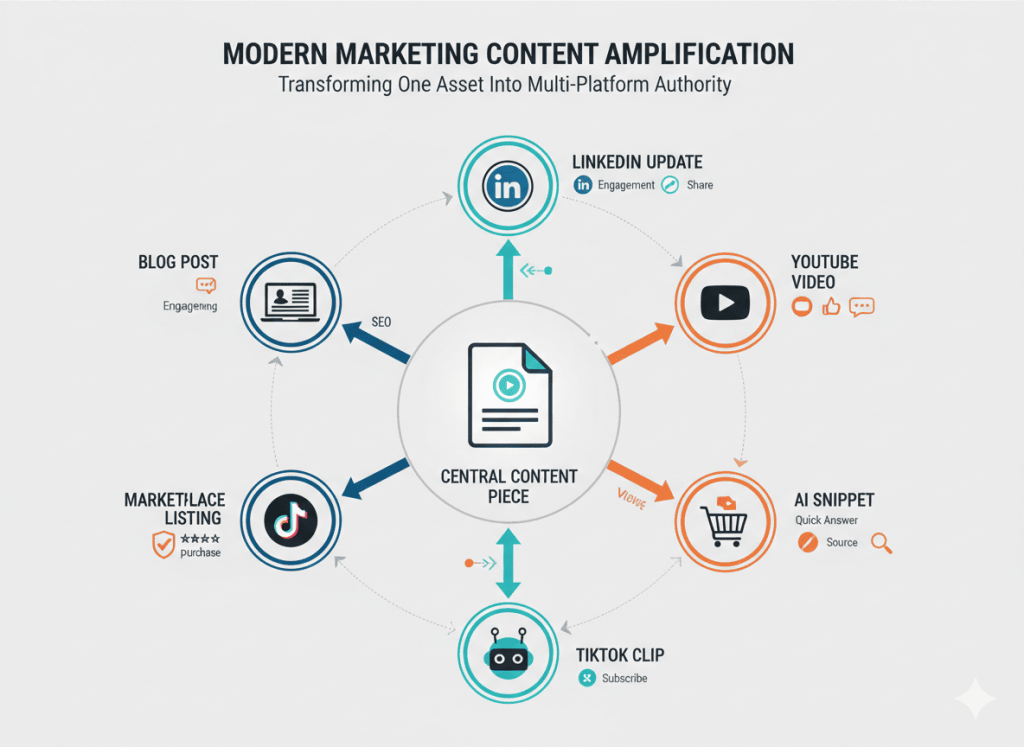
Content no longer lives in one place. One piece can become:
- A blog post
- A LinkedIn update
- A TikTok or Instagram video
- A YouTube explanation
- A featured AI snippet
Digitix Marketing ensures content is flexible, clear, and effective across formats. Platforms reward engagement and usefulness.
Authority Is Built Everywhere
Before, SEO focused on backlinks. Now, authority comes from engagement:
- Shares and mentions
- Reviews and comments
- Consistent presence
Digitix Marketing helps brands build trust across platforms. Consistency makes a brand reliable. Both search engines and users notice this
What Businesses Should Do Now
To succeed in multi-search SEO:
- Understand where your audience searches. Then, optimize for those platforms.
- Focus on clarity. Clear answers perform better across all search systems.
- Create content that builds trust. Helpful content lasts longer and travels further.
- Think beyond rankings. Focus on reach, relevance, and recognition.
Digitix Marketing helps businesses implement this multi-platform approach effectively.
The Future of SEO
Winning a single algorithm is no longer part of SEO. It is concerned with gaining attention on multi-search platforms. Google SEO remains, but it is now a component of a larger multi-platform SEO ecosystem. Companies that embrace multi-search SEO at the initial stage are ahead. Digitix Marketing makes clients visible, trusted, and relevant in this new, evolving SEO landscape.
Finally, search engines are not the only thing in an SEO strategy. It is about people. And everywhere people search, including YouTube SEO, TikTok SEO, Instagram SEO, AI search optimization, and marketplace SEO.
FAQs—Multi-Search SEO
It is making your brand visible on various media, like search engines, social networks, video platforms, marketplaces, and artificial intelligence.
Yes. Google is a traffic-generating engine of power. Nevertheless, popularity on other sites is also critical.
They develop search engine, social media, video, marketplace, and AI strategies. They would be clear, interactive, and visible.
The content should be interplatform. Flexible content enables the blogs, videos, and posts to reach the audience without changing the same message.
Absolutely. Small enterprises can also achieve the targeted audience by targeting the platforms where their customers spend most of their time. Digitix Marketing assists in defining and ranking these platforms.