
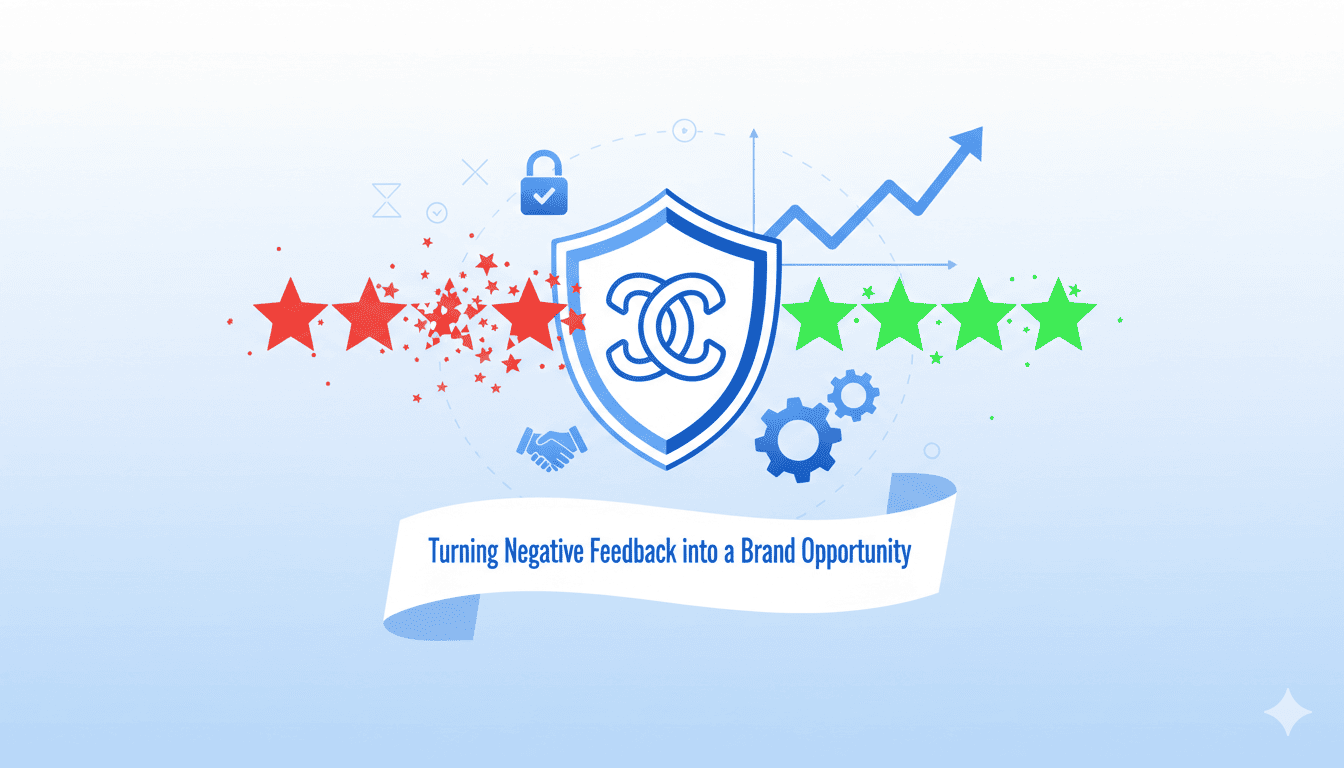
Turning Negative Feedback into a Brand Opportunity is now more important than ever to turn negative feedback into a brand opportunity. Customers post their opinions online daily. The reviews can be found on forums, social media platforms, and Google. It is simple to share and maintain feedback on this account.
Not all negative feedback is bad. It usually helps brands be better. When done correctly, it fosters trust and does not harm. At Digitix Marketing, we feel that feedback is a tool that is helpful in growth. The most important is the behavior and reaction of the brands.
Why negative feedback matters for brand growth
Negative feedback shows where customers feel unhappy. It highlights real issues in service or communication. Because customers speak honestly, their feedback has value.
Instead of guessing problems, brands get direct answers. This saves time and cost. Also, feedback often reveals small issues before they become bigger problems.
Common issues feedback reveals include:
- Slow response times
- Confusing information
- Poor user experience
- Gaps in customer support
Therefore, feedback helps brands improve faster and smarter.
Listening first helps turn feedback into opportunity
Listening is the first step in turning negative feedback into a brand opportunity. Many brands reply too fast. As a result, responses sound defensive or cold. Instead, brands should pause and read carefully. The true issue is frequently concealed by emotion. When brands listen well, they respond better.
Listening shows respect. Customers feel valued when their concerns are understood. This alone can calm frustration. Because of this, listening builds stronger relationships before any reply is posted.

Responding with empathy builds trust
The tone of a response matters more than the words. Customers do not expect perfection. However, they do expect respect and honesty.
A good response should:
- Acknowledge the issue clearly
- Apologize when needed
- Explain what happens next
Short and kind responses work best. Long explanations often feel like excuses. Also, generic replies feel fake. At Digitix Marketing, we advise brands to sound human. People trust people, not scripts.
Using feedback to improve internal processes
Replying is only the first step. Real value comes from action. Turning negative feedback into a brand opportunity means fixing the cause. Brands should track repeated complaints. Over time, patterns become clear. These patterns show what needs improvement.
Improvements often include:
- Clearer communication
- Better service flow
- Faster support response
- Improved onboarding steps
When brands fix issues and customers notice, trust grows naturally.
Transparency changes how people see your brand
Transparency is powerful in today’s market. Customers prefer honesty over perfection. They understand mistakes happen. Public responses to feedback show confidence. They show the brand is not hiding. Because of this, potential customers feel safer choosing the brand.
Also, people read replies as much as reviews. A calm and respectful reply often matters more than the complaint itself. When criticism is handled properly, it strengthens rather than damages credibility.
Training teams to handle feedback correctly
Not every response should be improvised. Teams need clear guidance. Without training, mistakes happen easily.
Teams should know:
- How fast to respond
- What tone to use
- When to escalate issues
This keeps responses consistent and professional. It also prevents emotional replies.
Digitix Marketing helps brands build response systems. These systems protect brand voice while staying human.
Long-term benefits of smart feedback management
Brands that handle feedback well grow stronger over time. Customers remember how issues were handled. Often, they forgive mistakes.
Some unhappy customers become loyal supporters. They share positive follow-ups after good resolutions. These stories feel real and trusted.
Over time, good feedback management improves:
- Brand reputation
- Customer retention
- Review quality
- Business growth
Because of this, feedback becomes a long-term asset.
FAQs
- What is the meaning of the negative feedback as a brand opportunity?
Changing negative feedback into a brand opportunity implies that customer complaints are used to enhance service and trust. Brands do not ignore criticism but listen to it, react to it in a calm manner, and address problems. This will create loyalty and brand reputation.
- What is the significance of negative feedback to the business?
Negative feedback reflects actual customer pain points. It helps brands identify problems more quickly and effectively. When applied appropriately, the feedback promotes effective decision-making, improved relationship enhancing, and long-term development.
- 3. What should the brands do about negative online reviews?
The brands must act in a polite and clear way. Recognize the problem, empathize, and clarify what to do. Short, sincere replies are the most appropriate and contribute to the safety of the brand image among the population.
- Does negative feedback enhance customer trust?
Yes, it can. When brands treat them with respect, customers believe they are addressed publicly and problems are resolved. Openness generates trust and reveals that the brand is better than the image.
- What does Digitix Marketing do in terms of feedback management?
Digitix Marketing assists in response strategy development, training staff, and enhancing internal systems. They produce feedback and wisdom that enhances long-term business growth, trust, and reputation.